Arabian Gulf University’s Innovation Management Program Examines Adaptation Strategies and the Shift Toward a “Flexible University” in Times of Crisis
Arabian Gulf University
13 Apr, 2026
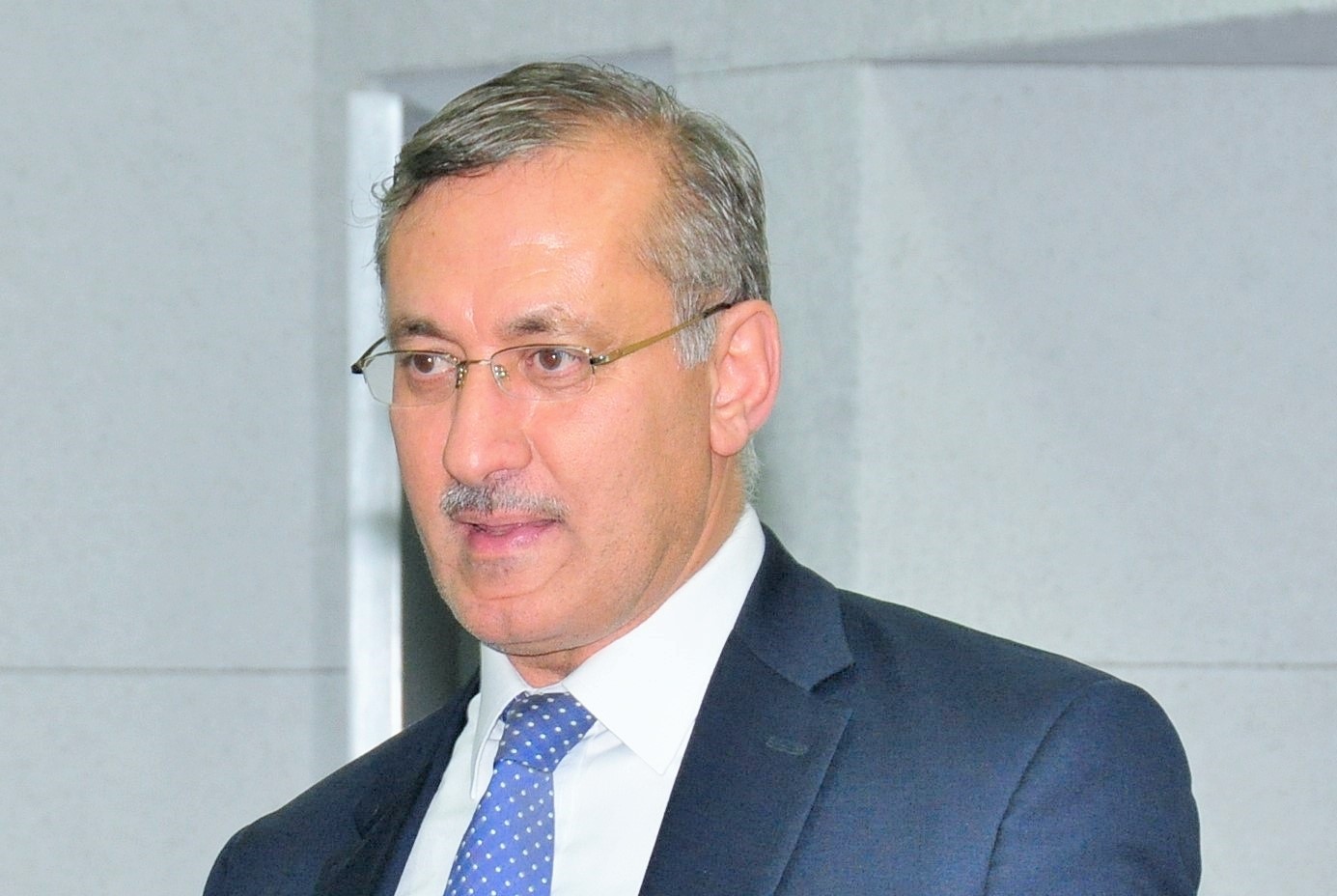
The Innovation Management Program at the College of Education, Administrative and Technical Sciences at Arabian Gulf University organized an academic lecture titled “Innovation in Times of Crisis and Adaptation Policies in Higher Education Institutions,” presented by the Head of the Department of Innovation and Technology Management and Professor of Innovation Policy, Prof. Dr. Owda Al-Jayoosi. He highlighted the pivotal role of innovation in enhancing the sustainability of academic institutions and their ability to adapt to rapid global transformations.
Al-Jayoosi began his lecture by reviewing the evolution of the philosophy of higher education, noting the strategic shifts in university business models, which have moved from the traditional framework of the national university to more dynamic models that include the entrepreneurial, digital, and research-oriented universities. He emphasized that these transformations represent a comprehensive redefinition of the university’s role, not only as a source of knowledge but also as a key actor in societal impact and sustainable development.
He addressed the concept of disruptive innovation, explaining how educational institutions can utilize it as a practical framework for effectively responding to crises, while reviewing a range of historical and contemporary models that have marked pivotal turning points, most notably the COVID-19 pandemic, which accelerated the digital transformation of education, alongside the impacts of climate change and the role of artificial intelligence in reshaping educational and research systems.
Al-Jayoosi emphasized that crises are not merely challenges, but rather strategic opportunities that enable universities to develop their institutional capabilities and transition to more flexible and innovative models. He put forward a set of practical recommendations that serve as a roadmap for enhancing the readiness of academic institutions to face crises. These included updating governance systems and streamlining administrative procedures, developing teaching and assessment methods in line with digital transformations, strengthening partnerships with the industrial and community sectors, and launching specialized training programs to enhance the crisis management capabilities of academic and administrative staff.
This lecture is part of a series of events organized by the university’s Innovation Management Program, aimed at fostering a culture of innovation and promoting entrepreneurial thinking, thereby contributing to the competitiveness of higher education institutions in the region and ensuring they meet future demands.