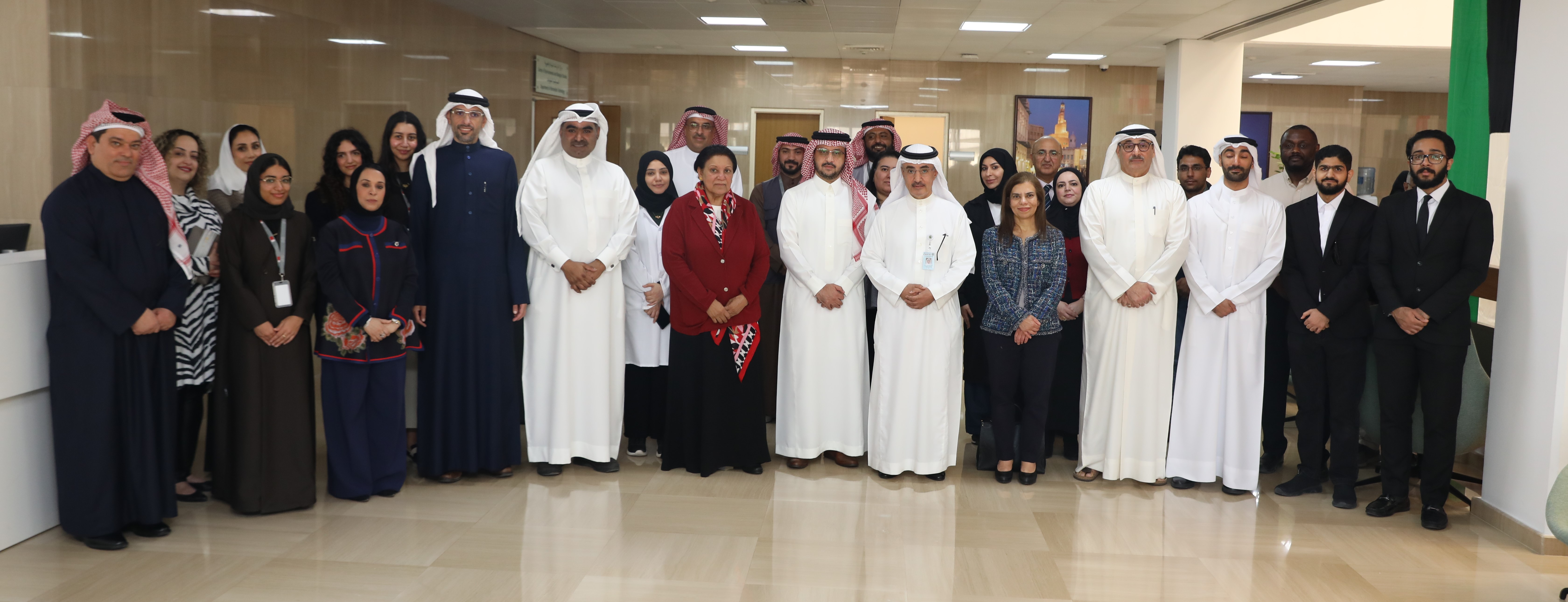
AGU Commences Oyster Analysis Operations as Part of National Climate Change Impact Study
Arabian Gulf University
13 Feb, 2026
The Arabian Gulf University (AGU) has officially initiated oyster shucking and sampling operations for Total Organic Carbon analysis. This procedure is a vital component of a national research project titled "The Impact of Climate Change on the Distribution and Abundance of Pearl Oysters and Seagrass and Carbon Accounting in the Territorial Waters of the Kingdom of Bahrain." Conducted in collaboration with the Bahrain Institute for Pearls and Gemstones (DANAT), the study aims to establish a modern environmental baseline to support the sustainability of marine resources and bolster the global standing of Bahraini pearls.
The commencement of this laboratory phase follows the successful completion of the first stage of fieldwork, which was executed between May and November of last year. This extensive field programme included 15 marine expeditions and over 67 research dives, covering 151 monitoring stations alongside the visual documentation of 84 specific sites. Hundreds of samples of seagrass, oysters, water, and sediment were collected to undergo rigorous analytical processes, including physical and chemical measurements, spectral signature identification, organic carbon quantification, and the analysis of heavy metals and microorganisms.
Dr Sabah Al Jenaid, Associate Professor of GIS and Environment and Academic Supervisor of the His Highness Shaikh Hamad bin Khalifa Al Thani Chair in GIS, emphasized that the start of oyster processing represents a pivotal milestone in the study's trajectory.
She explained that this step is intrinsically linked to assessing pearl quality and fits within a comprehensive scientific framework designed to understand the impacts of climate change on oysters, which are organisms highly sensitive to fluctuations in temperature, water salinity, and ocean acidification.
Dr Al Jenaid further stated that the project seeks to prepare an accurate national baseline for monitoring the distribution and density of seagrass meadows and pearl oysters. By measuring blue carbon stocks according to internationally recognised scientific methodologies, the study directly supports the Kingdom of Bahrain’s efforts to reach Net Zero by 2060 while enhancing the reliability of sustainability certifications associated with Bahraini pearls.
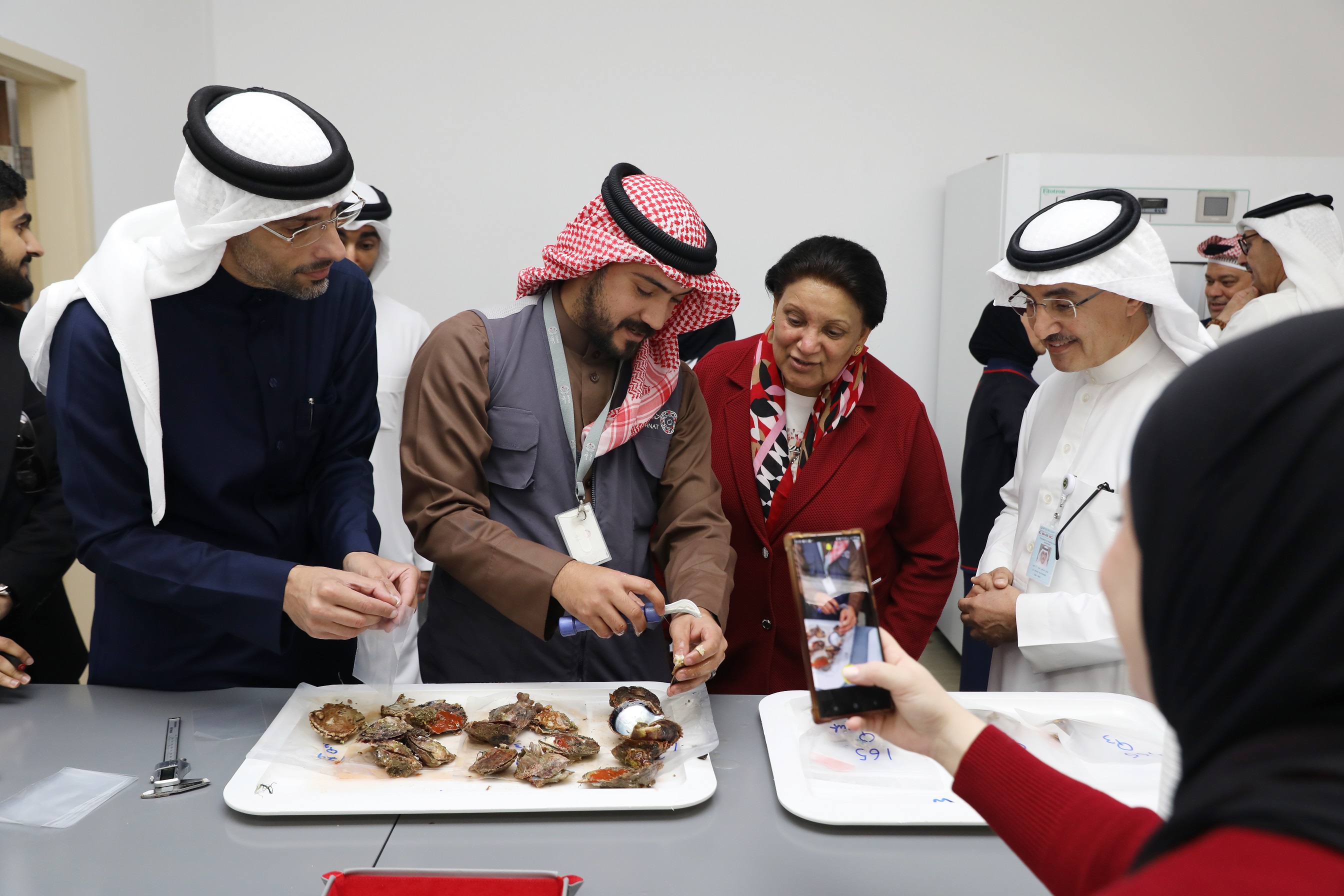
Preliminary results indicate the critical importance of updating marine habitat maps periodically, given the increasing pressures on the marine environment caused by rising temperatures, changing water chemistry, and coastal human activities. "The study will contribute to the preparation of environmental risk maps and quantitative indicators to support national decision-making regarding protection and sustainable management," Dr Al Jenaid stated.
The project encompasses three primary scientific pillars: the preparation of a robust national baseline, the assessment of climate change risks and habitat vulnerability, and blue carbon accounting. This last pillar involves creating a nationally certified inventory that is internationally recognised, thereby opening avenues for climate finance initiatives and blue carbon credit projects.
The cooperation between AGU and DANAT embodies an integrated model that bridges scientific research and the economic sector. By utilising environmental findings to support the sustainability of natural pearl quality and enhance its competitiveness in global markets, the partnership solidifies the national brand of the Bahraini pearl as an eco-friendly product with a low carbon footprint.
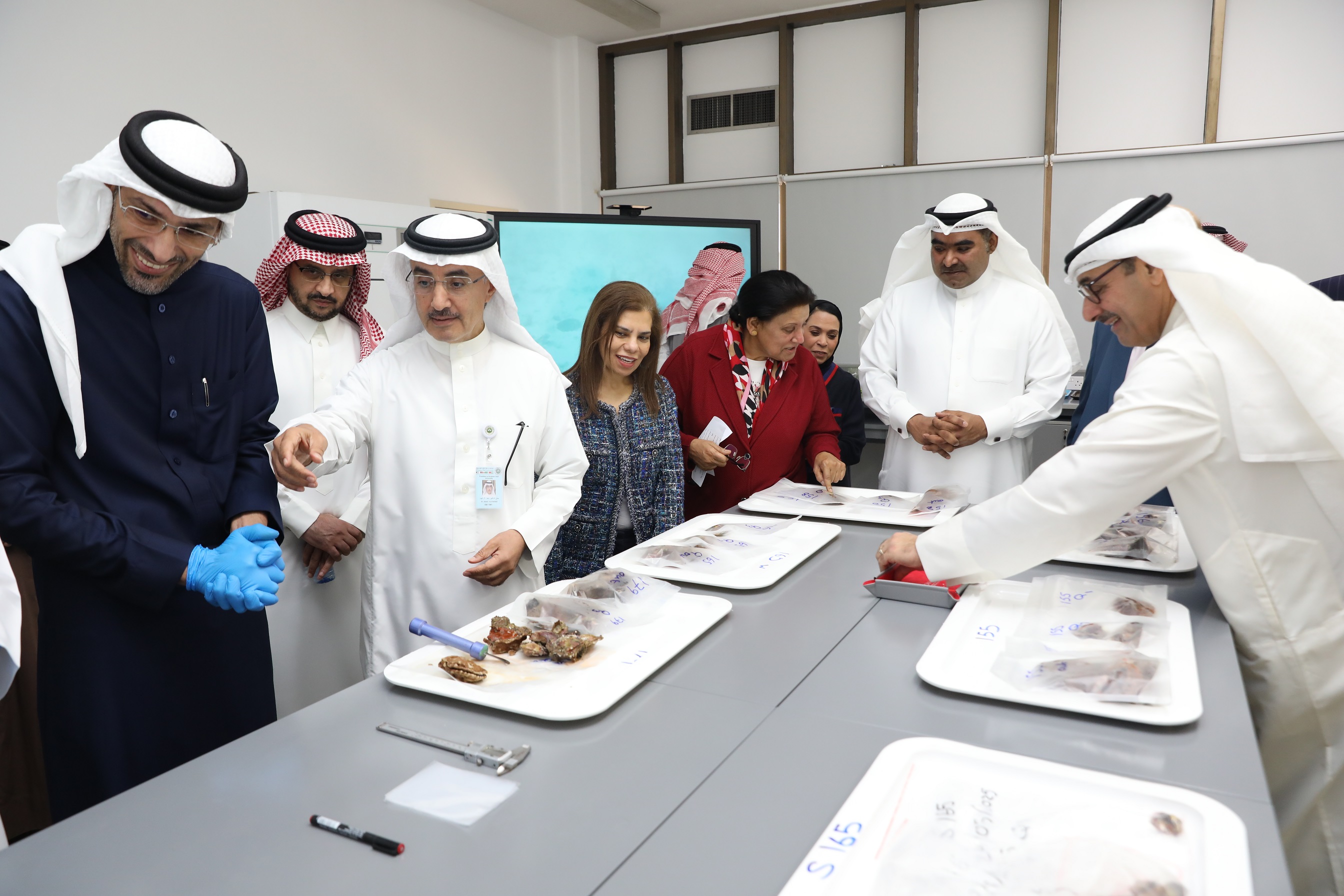
The study reaffirms that seagrass meadows and pearl oysters constitute essential ecological and economic foundations. Seagrasses contribute to sediment stabilisation and improved water quality, while oysters serve as a central element in the ecological balance and the marine food chain. Dr Al Jenaid concluded by stressing that protecting the marine environment is a shared national responsibility, asserting that every preserved marine habitat is an investment in Bahrain’s ecological and economic future.