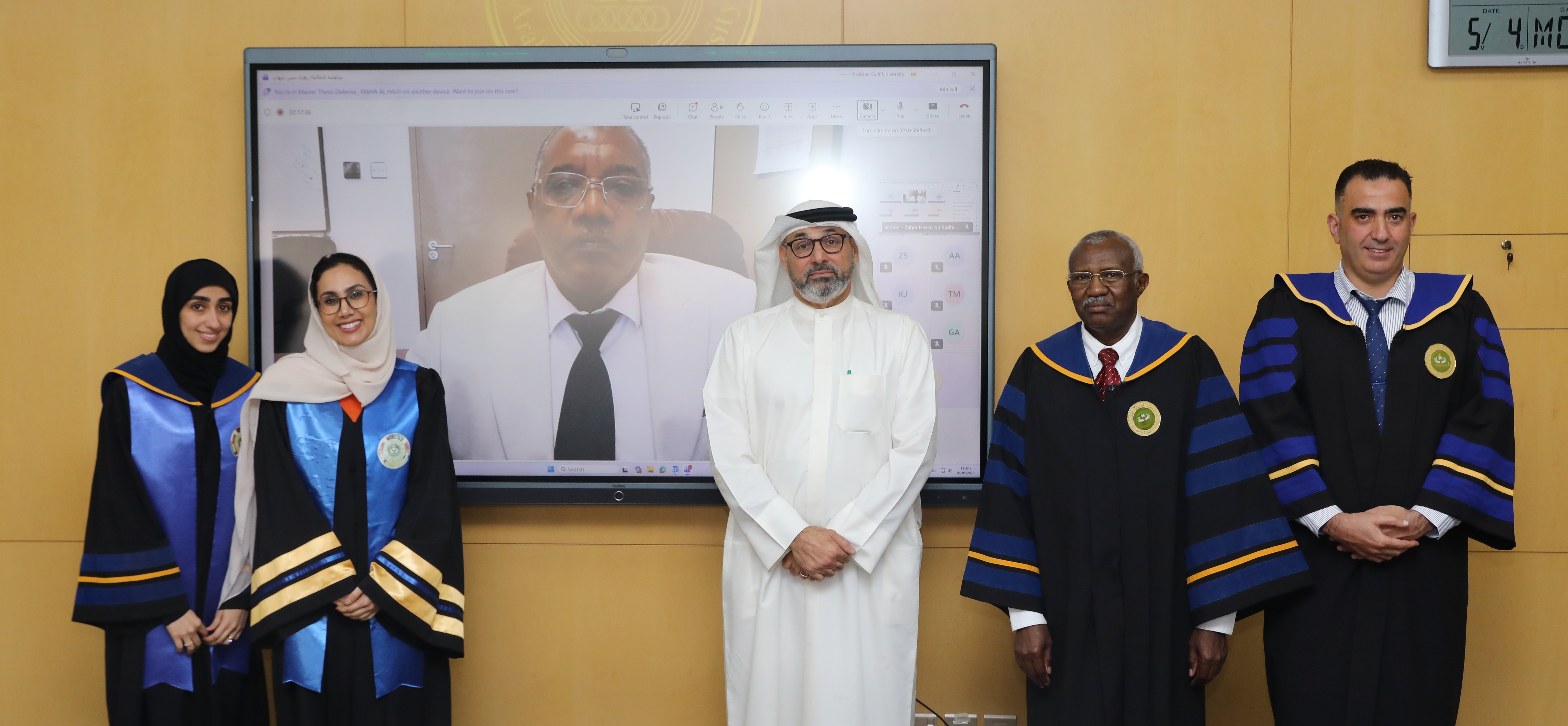
A study examined the effectiveness of virtual patient simulations in psychological training... Discussion of the first master’s thesis under the His Majesty King Hamad Chair for Digital Education at the Arabian Gulf University
Arabian Gulf University
10 May, 2026
Zahraa Hassan Shihab, a student in the Digital Education Program at the College of Education, Administrative and Technical Sciences at Arabian Gulf University, presented the findings of her thesis for a Master of Science degree in Digital Education, titled “The Effectiveness of Virtual Patient Simulations in Clinical Competency Training and User Experience Among Medical Students at Arabian Gulf University,” as part of the first academic outputs of the His Majesty King Hamad Chair in Digital Education at the college.
The study addressed a vital topic in the era of digital transformation and aimed to evaluate the impact of using virtual simulation technologies on the development of clinical and psychological skills among medical students. The results showed a marked improvement in students’ overall clinical performance by more than 87%, along with high technological acceptance of the system according to the Technology Acceptance Model (TAM).
The study revealed in-depth qualitative insights regarding communication skill gaps, and the student provided evidence-based recommendations for the future development of virtual simulations, particularly in Arab and Gulf environments. It employed a mixed-methods approach, alongside an instructional design based on the ADDIE model, which enhanced the accuracy and reliability of the results.
The study showed a marked improvement in students’ overall clinical performance following the redesign of the virtual simulation scenario, with a performance rate of 87.61%, exceeding the 80% proficiency threshold, reflecting the model’s success in enhancing clinical skills.
The study also revealed a relative weakness in communication skills; students scored only 71.44%, which the results attributed to limited dialogue options and a lack of sufficient emotional realism during interactions with the virtual patient.
The results also showed a high level of student satisfaction and acceptance of the virtual simulation, both in terms of ease of use and educational value, with an average educational effectiveness score of 4.6 out of 5, confirming the role of simulation in developing clinical reasoning and enhancing understanding of medical concepts. Students in the study sample praised the clarity of the learning environment’s design and the immediate feedback, noting that these features helped build confidence and reduce stress related to psychological interviews. They recommended further developing the simulation by integrating artificial intelligence and voice interaction technologies to enhance the realism of communication.
The study concluded that virtual patient simulations (VPS) represent an effective and scalable educational tool in psychiatric training, with a need for technical improvements to address communication skill gaps.
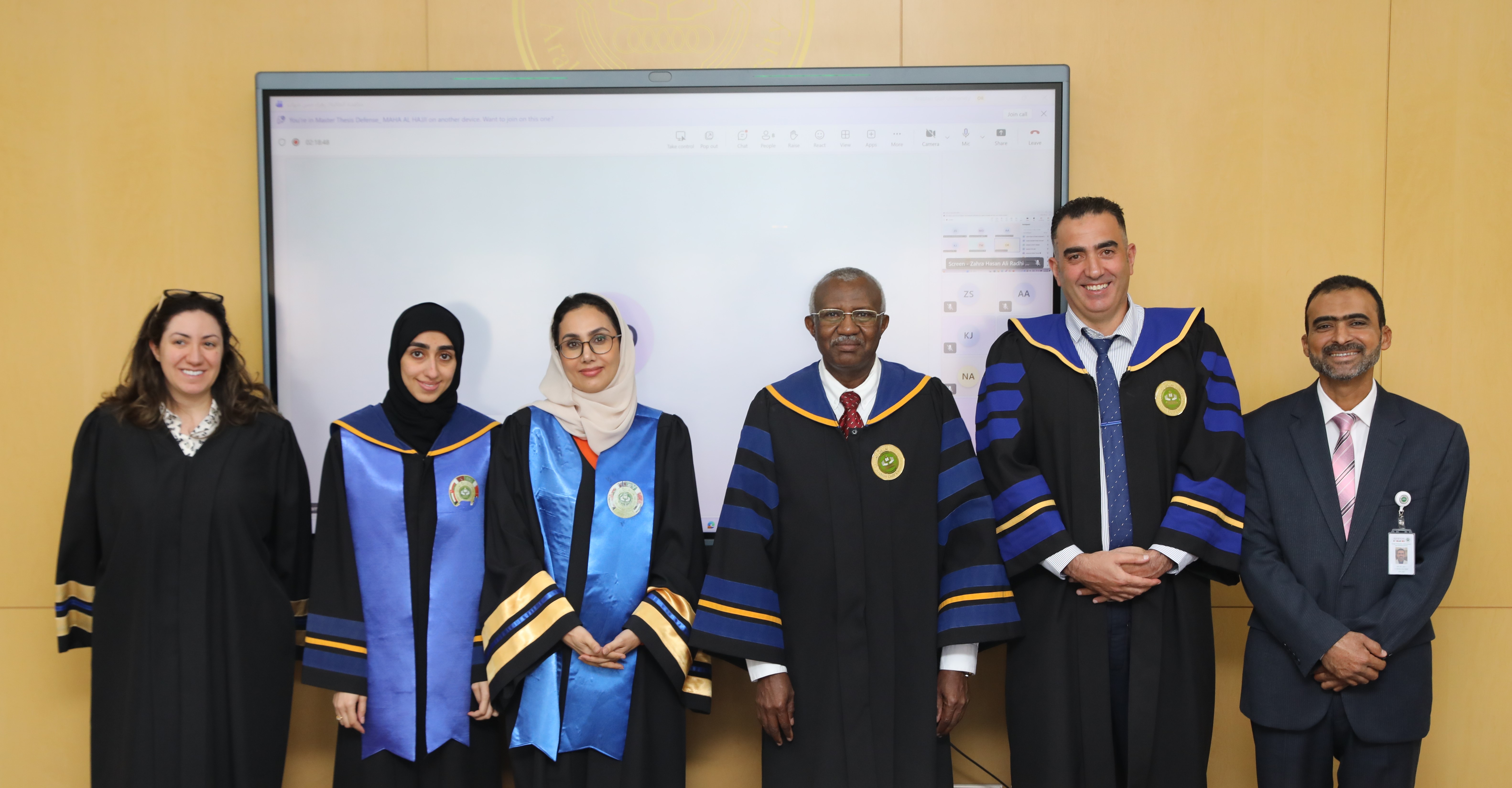
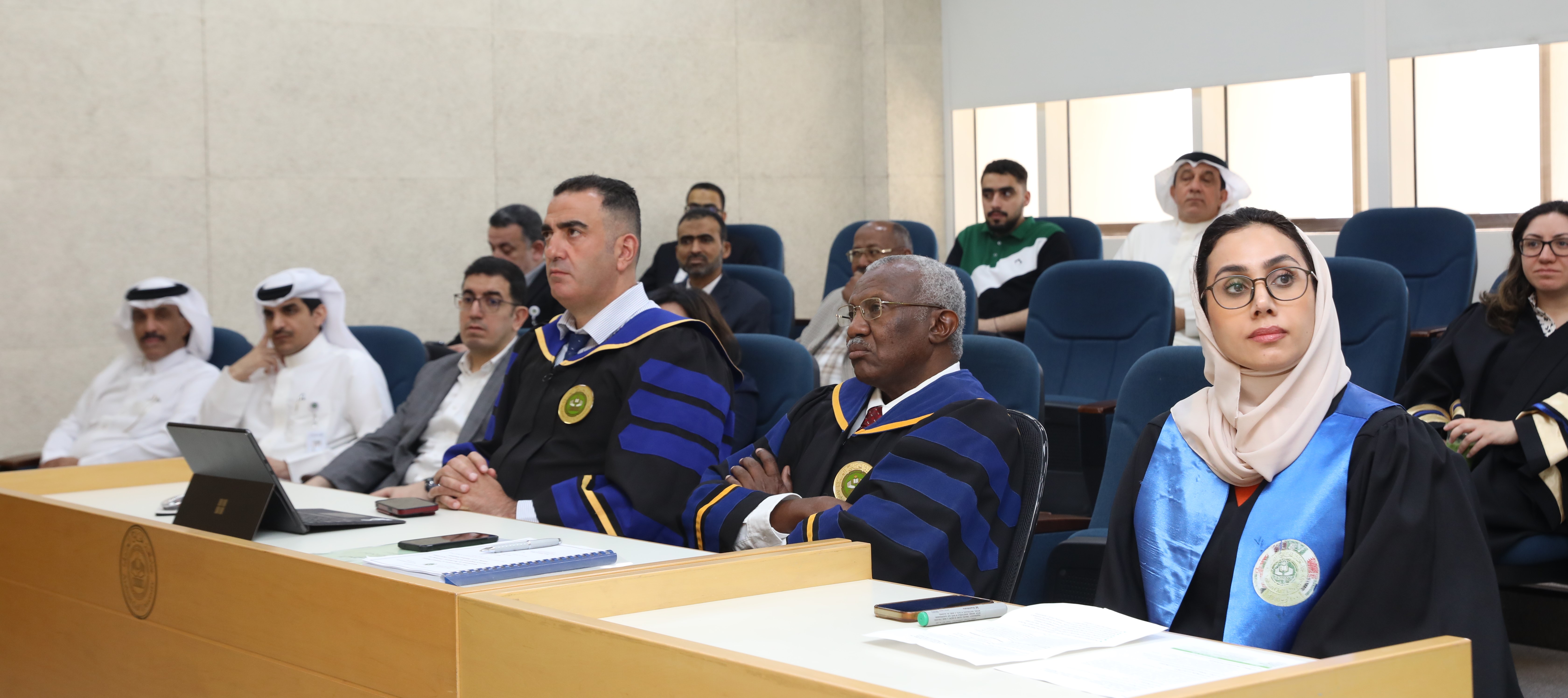
The thesis discussion committee consisted of Prof. Dr. Al-Ajab Muhammad Al-Ajab, Head of the Department of Education and Curriculum and the thesis’s primary supervisor, along with Prof. Dr. Muhammad Al-Tahir Othman, Professor of Educational Technology and Educational Systems Development at Sultan Qaboos University, serving as an external examiner, Dr. Al-Muthanna Mustafa Qasaymeh, Associate Professor of Educational Technology at the Arabian Gulf University, serving as an internal examiner; and Dr. Reem Jassim Al-Ansari, Director of the Medical Skills and Simulation Center and Professor of Medical Sciences Education, serving as a co-supervisor.
For his part, Prof. Dr. Al-Ajab emphasized that this discussion represents an important milestone in the journey of both the Chair and the university and serves as a practical embodiment of the Chair’s vision to support applied research that integrates technology with education.
It is worth noting that the Master of Science program in Digital Education is the first of its kind in the Gulf region and the Arab world, and aims to train specialized professionals capable of designing, implementing, and evaluating innovative digital education solutions in line with contemporary requirements and international quality standards.