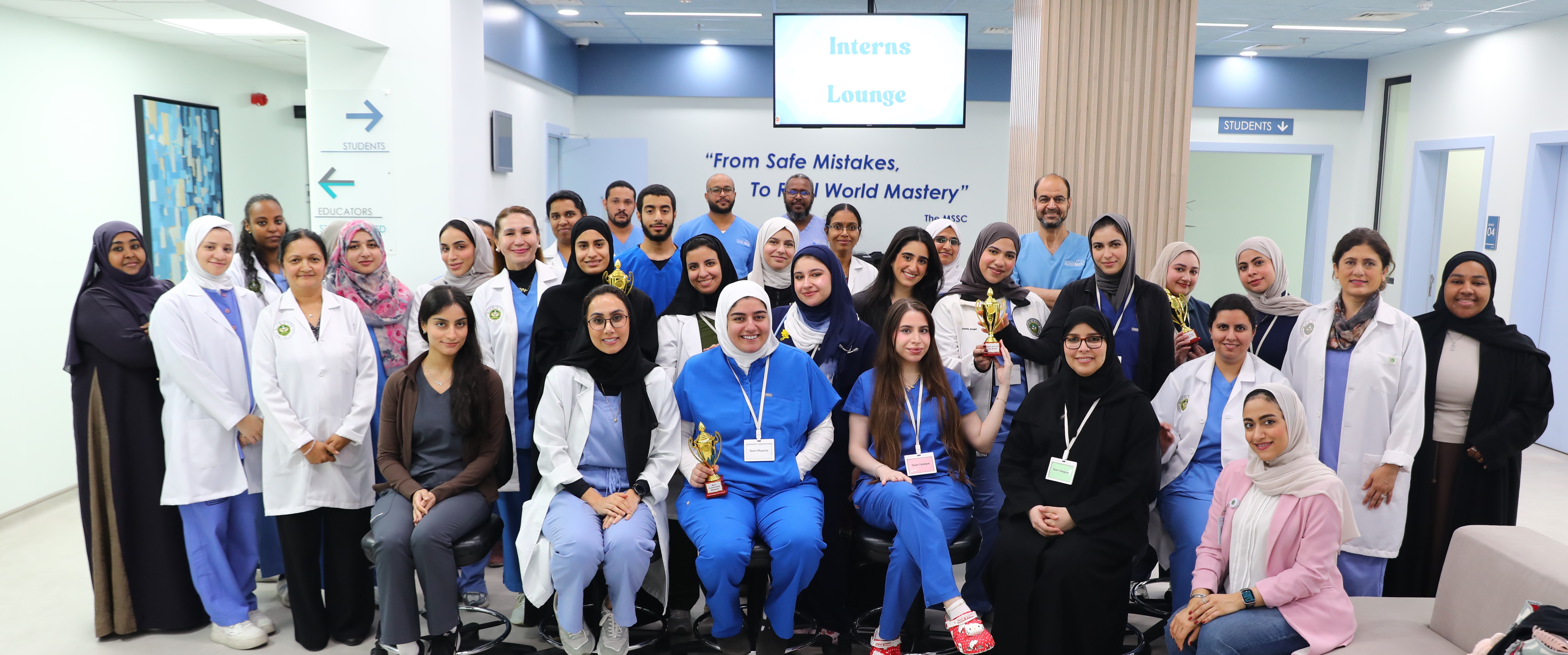
Conclusion of the “First Night on Call” Workshop for Medical Students at Arabian Gulf University
Arabian Gulf University
18 Jun, 2026
Arabian Gulf University, represented by the Medical Skills and Simulation Center at the College of Medicine and Health Sciences, concluded the specialized training workshop titled “The First Night on Call:
Are You Ready for the Paging System?”, organized in collaboration with the Consultancy and Training Center, with the participation of final-year students and graduates of the 2026 academic year from the medical colleges.
The workshop aimed to enhance students’ readiness to transition to their internship year and engage in clinical practice through an intensive practical training program based on the Educational Pathway for the Intern (EPA) framework, which is considered one of the leading global standards for preparing medical students before they begin clinical training.
The workshop featured five advanced clinical scenarios using modern medical simulation techniques, where participants experienced an environment simulating real-world hospital settings and working conditions, including the pressures and challenges doctors face at the start of their careers.

The training activities focused on developing effective communication skills, working within the medical team, managing clinical cases, and patient handover procedures, in addition to enhancing the ability to handle critical situations, make appropriate clinical decisions, and request medical support at the appropriate time.
Participants demonstrated a high level of engagement and proficiency during a series of clinical scenarios that lasted 100 minutes without interruption and concluded with a debriefing session dedicated to reviewing performance, reinforcing acquired concepts and skills, and linking them to the requirements of the internship year.
The workshop utilized an advanced package of medical simulation tools, including highly accurate training manikins, skill training devices, and standardized patients, which helped create a realistic and safe learning environment that builds students’ confidence and supports the development of their professional skills.
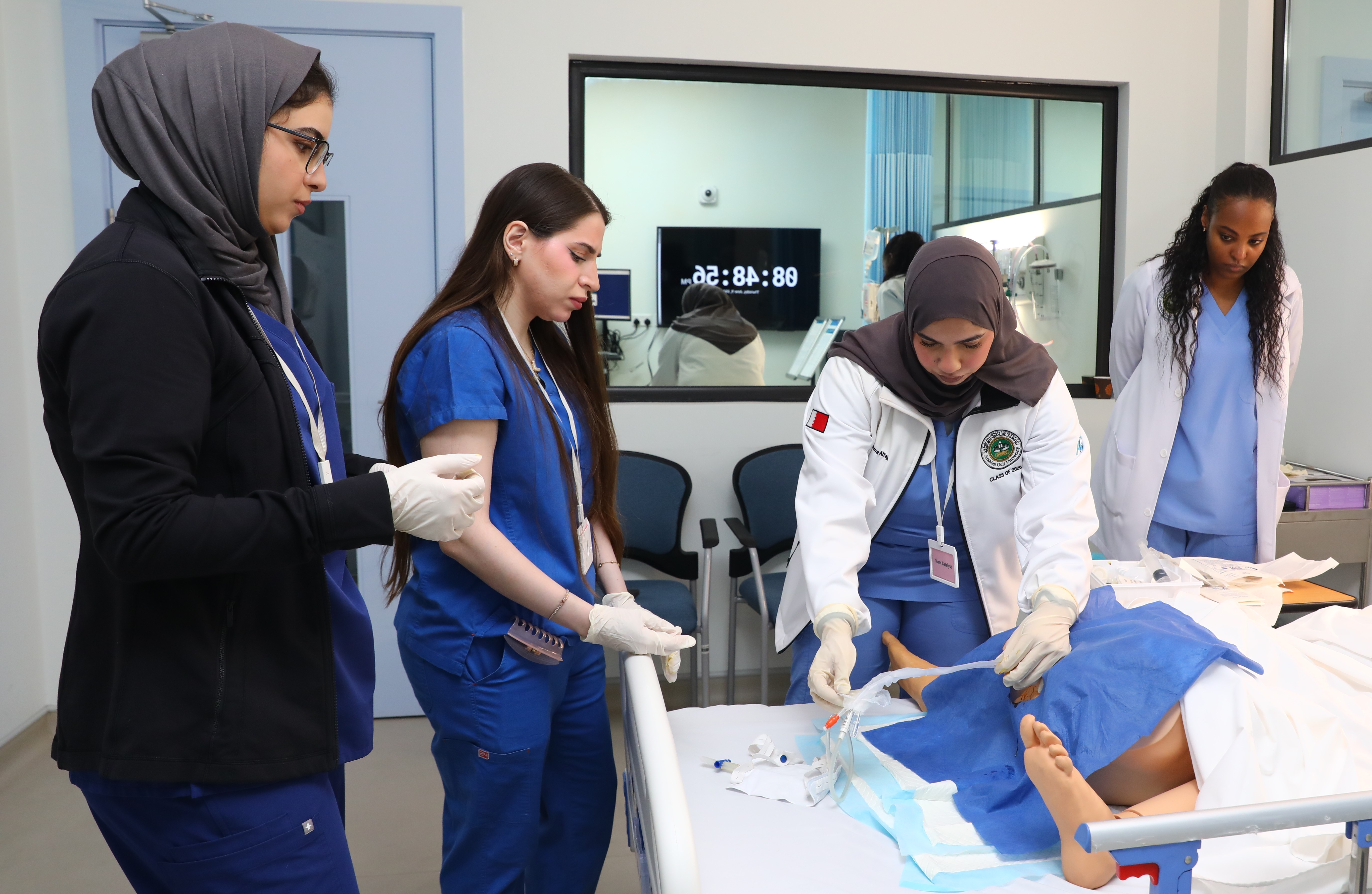
In this context, the director of the Medical Skills and Simulation Center, Assistant Professor of Medical and Professional Education Dr. Reem Al-Ansari, emphasized that the workshop was a unique educational experience. She noted that its design was based on sequential scenarios that enable students to test their skills in clinical reasoning, communication, and medical team leadership within a realistic environment while maintaining the highest standards of patient safety.
She added that the use of advanced simulation techniques, including highly accurate manikins, training devices, and standardized patients, contributed to providing a comprehensive educational experience that allowed students to apply their theoretical knowledge in a practical manner and enhance their professional readiness.
For their part, the participating students appreciated the support of the Deanship of the College of Medicine and Health Sciences for this initiative, praising the efforts of the Medical Skills and Simulation Center team in designing and implementing the workshop, as well as the realistic training experience it provided, which helped boost their confidence and readiness for their internship year.
At the conclusion of the event, the center's instructors praised the outstanding performance of the participants, emphasizing that such training programs help prepare qualified medical professionals who are capable of effectively handling the demands of the healthcare field from the very first day of their internship.